
Healthy Aging: Nutrition, Exercise & Staying Active
Getting Older Is Inevitable. Slowing Down Doesn’t Have to Be.
Aging is a natural part of life, but how we move, eat, exercise and care for ourselves can make a meaningful difference in how we feel as the years go by.
At Forest Hill Chiropractic and Massage Clinic in Toronto, Dr. John Super and Dr. Len Green believe that staying active, maintaining strength and looking after your musculoskeletal health are important parts of aging well.
Whether you’re in your 40s, 50s, 60s, 70s or beyond, there are practical steps you can take to support your health and independence.
Book an Appointment
It’s Not Just About Living Longer. It’s About Living Better.
As we age, our bodies naturally experience changes in muscle mass, bone density, flexibility, balance and recovery capacity.
These changes can affect how comfortably we move, how easily we perform everyday activities and how confidently we participate in the things we enjoy.
The encouraging news is that regular exercise, appropriate nutrition, adequate sleep and healthy daily habits can help support physical function throughout adulthood.
Healthy aging isn’t about trying to stop the clock. It’s about maintaining the strength, mobility and confidence to keep doing the things that matter to you.
Exercise: One of the Best Investments in Healthy Aging
Regular physical activity can help maintain muscle strength, cardiovascular fitness, bone health, balance and everyday physical function.
A well-rounded exercise routine should include several different types of movement.
Strength Training
Resistance exercise helps maintain muscle mass, strength and functional ability. Weights, resistance bands and bodyweight exercises can all be useful.
Cardiovascular Exercise
Walking, cycling, swimming and other aerobic activities support heart health, endurance and general fitness.
Balance Training
Balance exercises can help improve stability and reduce fall risk, particularly as we get older.
Mobility & Flexibility
Comfortable stretching and mobility exercises help maintain movement through joints and muscles used in daily activities.
General activity guideline: Many adults benefit from at least 150 minutes of moderate-intensity aerobic activity per week, muscle-strengthening activities on two or more days, and regular balance work when appropriate. The right starting point depends on your health, fitness and individual circumstances.

Nutrition Matters at Every Age
Good nutrition supports muscle maintenance, bone health, energy levels and general well-being throughout life.
As we get older, paying attention to adequate protein, calcium, vitamin D, fibre and hydration becomes particularly important.
A balanced eating pattern built around vegetables, fruits, whole grains, legumes, nuts, seeds and other nutritious foods can help support long-term health.
Nutrition needs vary depending on medical conditions, medications, activity levels and individual circumstances. A registered dietitian or physician can provide personalized guidance when needed.
Small Habits Make a Big Difference
You don’t need to train like a professional athlete to benefit from regular physical activity. The goal is to build habits that are realistic, enjoyable and sustainable.
Move every day. Walking, gardening, cycling, swimming and other enjoyable activities can help reduce prolonged sedentary time.
Maintain muscle strength. Regular resistance exercise can help preserve the strength needed for everyday activities.
Challenge your balance. Appropriate balance exercises can support confidence and stability.
Prioritize recovery. Sleep, hydration, nutrition and adequate rest all contribute to physical well-being.
Stay socially engaged. Group exercise, walking with friends and recreational sports can make staying active more enjoyable.
Address persistent pain. Joint or muscle discomfort that limits your activity deserves appropriate assessment rather than simply being dismissed as part of aging.
How Chiropractic Care Fits Into Healthy Aging
Chiropractic care can play a supportive role in managing certain musculoskeletal conditions that affect comfort and movement. Dr. John Super and Dr. Len Green focus on understanding each patient’s symptoms, physical abilities and activity goals. Depending on the assessment, care may include hands-on treatment, joint mobilization, soft tissue techniques, therapeutic exercise and practical advice about movement and activity. Chiropractic treatment does not stop biological aging or replace exercise, nutrition or medical care. Its role is to help address appropriate musculoskeletal concerns that may interfere with staying active.
Meet Your Chiropractors
Dr. John Super and Dr. Len Green have worked together at Forest Hill Chiropractic and Massage Clinic since 2001, helping patients manage musculoskeletal concerns and maintain active lifestyles.
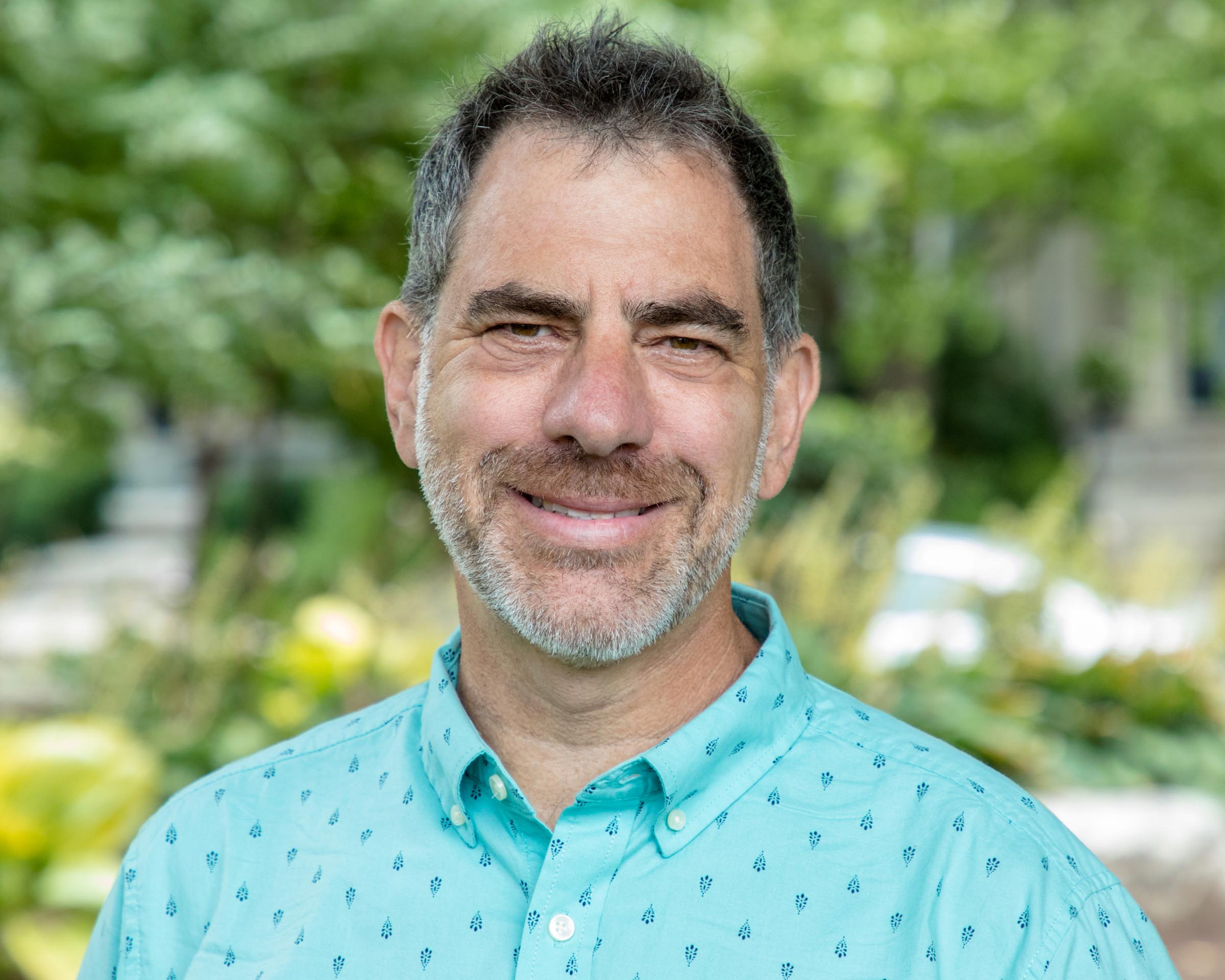
Dr. John Super, DC
Practicing chiropractic in Toronto since 2001, John enjoys cycling, snowboarding, music and staying active outdoors.
His approach focuses on individualized assessment, hands-on care and helping patients maintain the physical activities they enjoy.
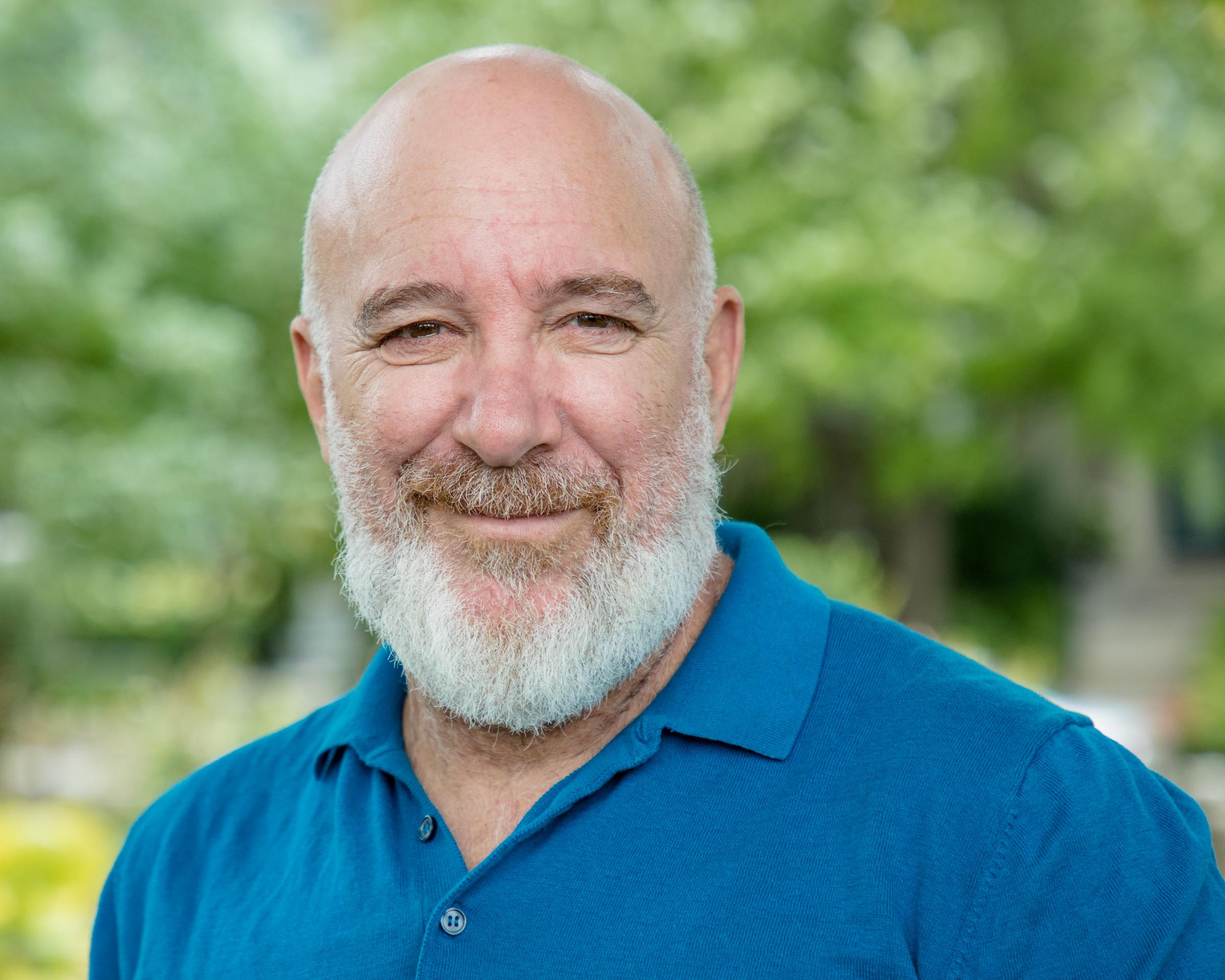
Dr. Len Green, DC
A chiropractor since 1993, Len enjoys skiing, hockey, paddleboarding, boxing and weightlifting.
His patient-centred approach emphasizes movement, physical function and practical care tailored to individual needs.
Stay Strong. Stay Mobile. Stay Active.
Experiencing joint pain, muscle discomfort or movement limitations that are affecting your ability to stay active? Our team can help assess your concerns and discuss appropriate treatment options.
Book an Appointment