Martial Arts Injuries & Massage Therapy
Train Strong. Move Freely. Recover Well.
Martial arts demand strength, flexibility, coordination, endurance and control. Whether you practice karate, taekwondo, judo, Brazilian jiu-jitsu, kickboxing or another discipline, training can place significant demands on your muscles and joints.
At Forest Hill Chiropractic and Massage Clinic in Toronto, our registered massage therapists help patients manage musculoskeletal discomfort associated with sports, exercise and martial arts.
Book an Appointment
The Physical Demands of Martial Arts
Martial arts involve combinations of striking, kicking, grappling, throwing, holding and defensive movements. The specific demands vary depending on the discipline.
Repetitive movements, sudden changes of direction, joint loading and contact with training partners can place stress on muscles, tendons, ligaments and joints.
Common contributing factors include training intensity, repetitive techniques, limited recovery, fatigue, restricted mobility and contact-related injuries.
Understanding the activity and the mechanism of injury helps guide appropriate assessment and treatment.
Common Martial Arts Injuries
Martial artists may experience injuries ranging from muscle soreness and overuse problems to acute injuries associated with contact, falls or joint stress.
Shoulder Injuries
Grappling, throwing and striking can contribute to shoulder strains and tendon irritation.
Neck & Back Pain
Rotational movements, falls and prolonged grappling positions may contribute to discomfort and muscular tension.
Hip & Groin Strains
High kicks, rapid direction changes and grappling movements can place significant demands on the hip and groin muscles.
Knee Injuries
Pivoting, kicking and joint-loading techniques may contribute to knee pain or ligament injuries.
Wrist & Elbow Pain
Gripping, striking and grappling may lead to tendon irritation, sprains or other joint injuries.
Muscle Strains
Sudden explosive movements and repetitive training can contribute to strains involving the legs, back and upper body.
Important: Martial arts can also involve concussions, fractures, dislocations and significant ligament injuries. These require appropriate medical assessment. Massage therapy is not a substitute for emergency treatment or concussion management.
How Massage Therapy May Help
Registered massage therapy may help manage certain muscle and soft tissue symptoms associated with martial arts training.
Treatment begins with an assessment of the patient’s symptoms, training activities, physical limitations and individual goals.
Depending on the findings, massage therapy may involve soft tissue techniques, muscle tension management, gentle stretching, mobility-focused treatment and self-care advice.
Massage therapy can be one component of recovery, alongside appropriate exercise, training modification and other care when needed.
Reducing the Risk of Martial Arts Injuries
Although not every injury can be prevented, good training habits can help reduce unnecessary physical strain.
Important considerations include appropriate warm-ups, gradual increases in training intensity, proper technique, strength and mobility work, adequate rest and appropriate protective equipment.
Working with qualified instructors and communicating with training partners can help create a safer training environment.
Persistent pain, joint instability or symptoms following significant impact should be assessed rather than ignored.
Train Hard. Recover With Purpose.
Martial arts challenge the body through demanding combinations of strength, flexibility, coordination and endurance.
Looking after your muscles, managing training loads and addressing injuries appropriately can help support long-term participation in the sport.
Whether you’re training for recreation, fitness or competition, recovery is an important part of the process.
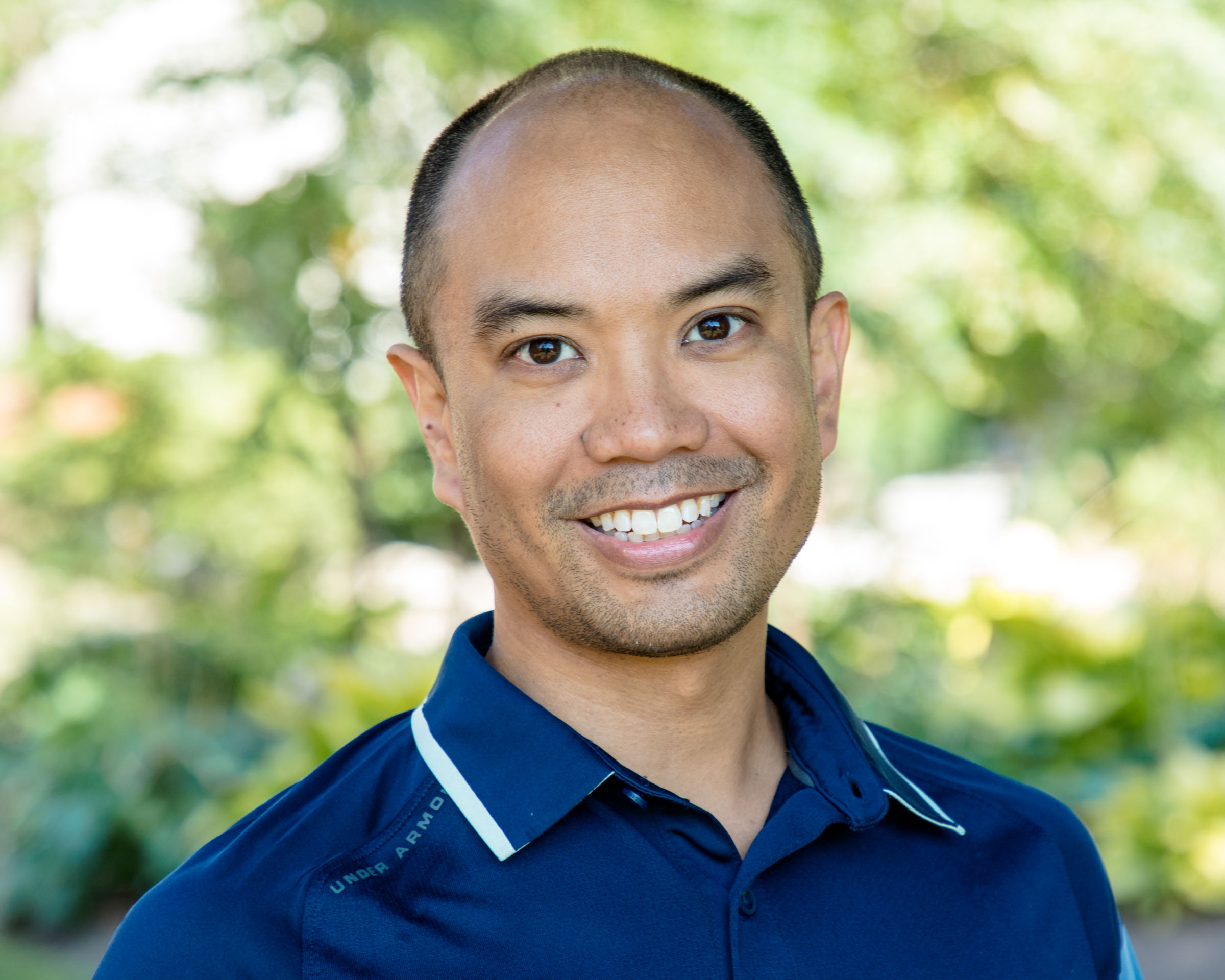
Richard Llanera, RMT
Richard Llanera is a Registered Massage Therapist at Forest Hill Chiropractic and Massage Clinic in Toronto.
Massage therapy can play a supportive role in managing muscle tension, soft tissue discomfort and physical recovery associated with demanding activities such as martial arts.
Treatment is tailored to the individual’s symptoms, needs and activity goals.
Learn more about Richard Llanera
Book an AppointmentReady to Feel Better and Move Better?
Dealing with muscle soreness, stiffness or a martial arts-related soft tissue problem? Our team can assess your symptoms and discuss appropriate treatment options.
Book an Appointment