
Skiing & Snowboarding Injuries
Stay Strong. Ride Well. Get Back on the Snow.
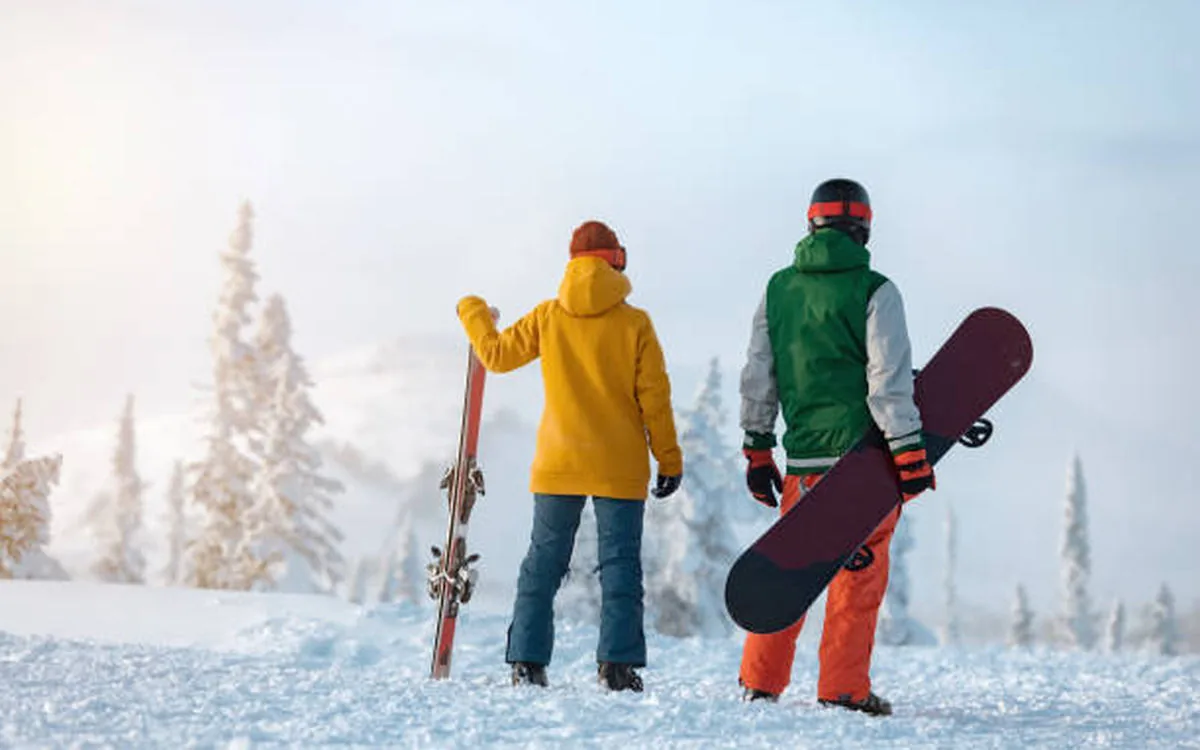
Skiing and snowboarding are exciting, physically demanding sports that challenge strength, balance, mobility and coordination. Whether you’re a recreational skier, a weekend snowboarder or someone who spends the entire winter on the mountain, these sports place significant demands on the body.
At Forest Hill Chiropractic and Massage Clinic in Toronto, we help patients manage musculoskeletal injuries and discomfort associated with skiing, snowboarding and other winter sports.
Book an Appointment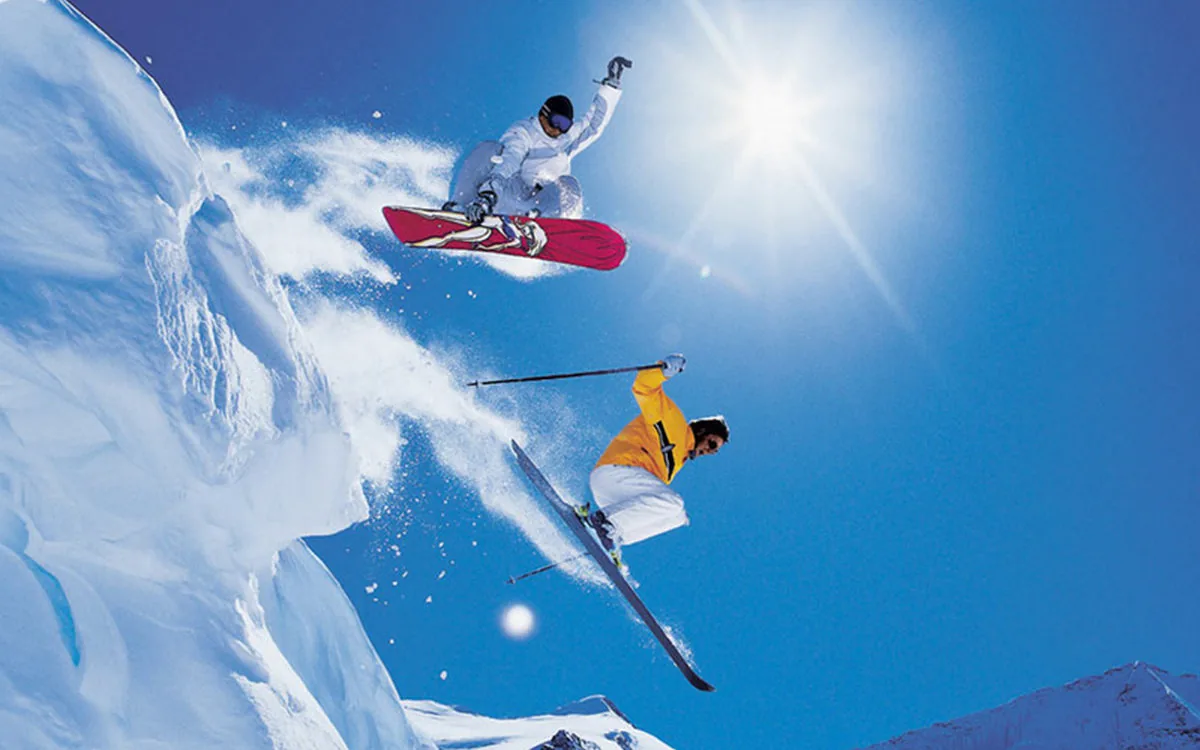
The Physical Demands of Skiing & Snowboarding
Skiing and snowboarding involve constant adjustments in balance, body position and movement. The legs, hips, core and upper body work together to control turns, absorb forces and respond to changing terrain.
Skiers and snowboarders may experience discomfort from repetitive movement, muscle fatigue, falls, sudden twisting forces or unexpected impacts.
Common contributing factors include fatigue, limited conditioning, repetitive loading, poor recovery, equipment-related issues and unexpected falls or collisions.
Understanding how an injury occurred, along with the demands of the sport, is important when deciding on appropriate treatment and recovery.
Common Skiing & Snowboarding Injuries
Although skiing and snowboarding share many physical demands, injury patterns can differ because of the equipment, stance and movement involved. Falls onto the wrists and tailbone are particularly familiar to snowboarders, especially those learning the sport.
Knee Injuries
Skiers may experience knee ligament injuries, including ACL and MCL sprains or tears, particularly during falls and twisting movements.
Wrist Injuries
Falling forward onto an outstretched hand is a common injury mechanism in snowboarding, particularly for beginners. These falls may cause wrist sprains, fractures or other injuries involving the hand and forearm.
Tailbone & Buttock Injuries
Falling backward onto the buttocks is another common snowboarding injury mechanism, especially while learning. A hard landing can cause tailbone (coccyx) bruising, soft tissue injuries or occasionally a fracture. Pain may be particularly noticeable when sitting, standing up or bending forward.
Shoulder Injuries
Falls and collisions can contribute to shoulder strains, dislocations and other injuries involving the shoulder joint.
Lower Back Pain
Repeated turning, prolonged riding positions and muscular fatigue may contribute to lower back discomfort and strain.
Hip & Leg Strains
Demanding terrain, repetitive movement and sudden loading can contribute to muscle strains involving the hips and legs.
Neck Pain
Muscle strain and falls may contribute to neck discomfort. Significant impact injuries require appropriate assessment.
Important: Falls and collisions can also cause concussions, fractures, dislocations and serious spinal injuries. Suspected concussion, significant trauma, neurological symptoms or inability to bear weight require prompt medical assessment. Chiropractic care is not a substitute for emergency treatment.
How Chiropractic Care May Help
Chiropractic care may help manage certain musculoskeletal problems associated with skiing and snowboarding, particularly those involving muscles, joints and surrounding soft tissues.
Treatment begins with an assessment of the injury, movement limitations, activity demands and recovery goals.
Depending on the findings, treatment may include joint mobilization or adjustments, soft tissue therapy, Active Release Technique (ART), Graston Technique, therapeutic exercise, rehabilitation and activity modification advice.
More serious injuries may require imaging, medical evaluation, specialist care or other appropriate referrals. Suspected fractures and acute tailbone injuries should be assessed before considering hands-on treatment.
Reducing the Risk of Winter Sports Injuries
While not every injury can be prevented, appropriate preparation and good on-snow habits may help reduce unnecessary risk.
Important considerations include leg and core strengthening, balance training, appropriate warm-ups, well-fitted equipment, lessons and technique development, managing fatigue and adequate recovery.
Skiers should ensure bindings are professionally adjusted for their equipment and ability.
For snowboarders, particularly beginners, wrist guards and padded impact shorts with tailbone protection may help reduce the severity of some injuries caused by falls. Learning safer falling techniques is also important. No protective equipment eliminates the risk of injury.
Helmets are important for both sports, although they cannot prevent every head injury.
Returning to the slopes after an injury should depend on the type and severity of the injury, recovery progress and appropriate professional guidance.
Stay on the Mountain, Not on the Sidelines.
Skiing and snowboarding are more enjoyable when you feel strong, confident and physically prepared.
Addressing injuries appropriately, maintaining strength and mobility, and allowing adequate recovery can help support long-term participation in winter sports.
Whether you’re learning your first turns or have been riding for years, looking after your body is part of enjoying the mountain.
Two Chiropractors Who Know Winter Sports
Dr. John Super and Dr. Len Green share an interest in skiing, snowboarding and helping active patients manage musculoskeletal concerns. Their own time on the slopes gives them a personal appreciation for the demands of winter sports.

Dr. John Super, DC
Chiropractor. Snowboarder. Snowboard Instructor.
John has practised chiropractic in Toronto since graduating from the Canadian Memorial Chiropractic College in 2001.
As a snowboarder and snowboard instructor, he understands the demands of balance, mobility, strength and recovery involved in spending time on the mountain.
His approach begins with understanding each patient’s condition, activities and goals, followed by an individualized treatment plan.
Learn more about Dr. John Super
Book an Appointment
Dr. Len Green, DC
Chiropractor. Skier. Active Lifestyle Enthusiast.
Len graduated from the Canadian Memorial Chiropractic College in 1993 and has more than 30 years of chiropractic experience.
An enthusiastic skier, Len enjoys staying active and appreciates the physical demands of winter sports, from strength and conditioning to managing joint and muscle discomfort.
His patient-centred approach emphasizes assessment, movement and practical care tailored to each individual’s needs and goals.
Learn more about Dr. Len Green
Book an AppointmentReady to Get Back on the Snow?
Dealing with a skiing or snowboarding injury, muscle strain or joint discomfort? Our team can help assess your condition and discuss appropriate treatment and recovery options.
Book an Appointment