
Volleyball Injuries & Massage Therapy
Jump Strong. Move Freely. Stay in the Game.
Volleyball is a fast-paced sport that combines jumping, landing, quick changes of direction, overhead movements and teamwork. Whether you play recreationally, competitively, indoors or on the beach, volleyball places significant demands on muscles and joints.
At Forest Hill Chiropractic and Massage Clinic in Toronto, our registered massage therapists help patients manage muscle tension, soft tissue discomfort and physical recovery associated with sports such as volleyball.
Book an Appointment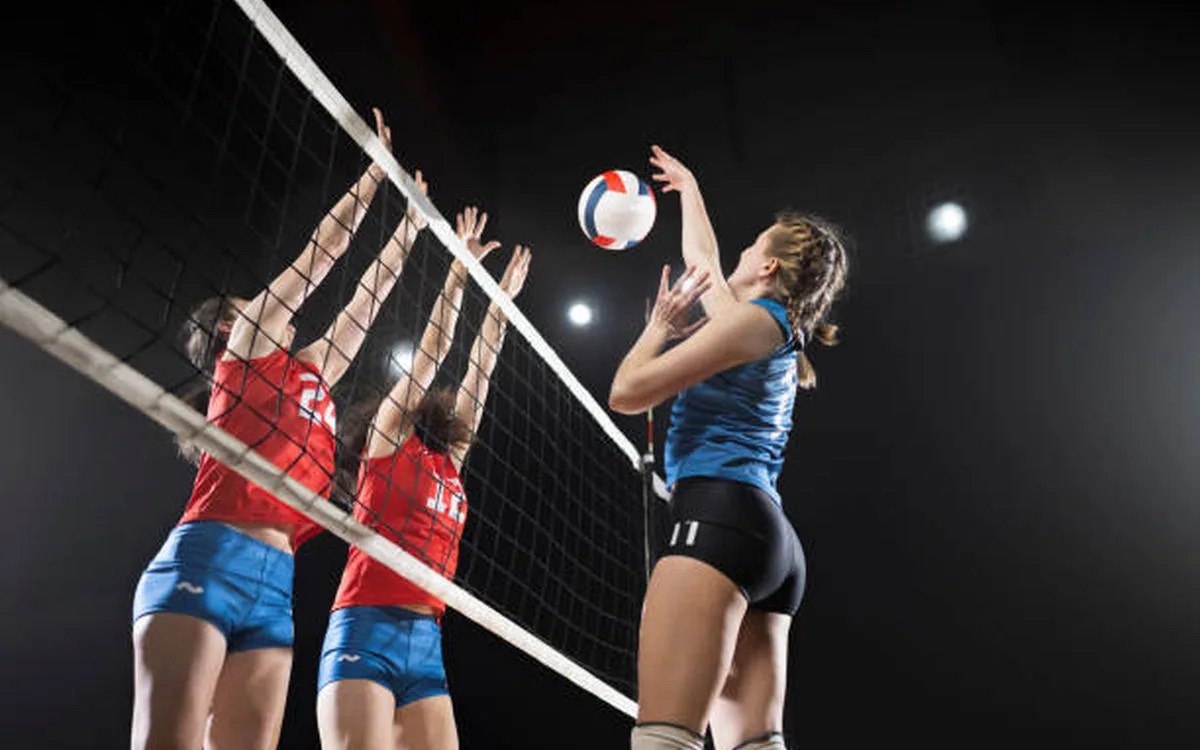
The Physical Demands of Volleyball
Volleyball requires a combination of explosive power, coordination, flexibility, balance and endurance. Players repeatedly jump, land, reach overhead and move quickly across the court.
Serving and spiking place repeated demands on the shoulders and upper body, while jumping and landing load the knees, ankles and legs.
Common contributing factors include repetitive overhead movements, frequent jumping, awkward landings, rapid direction changes, training intensity, fatigue and insufficient recovery.
Understanding the demands of volleyball and how symptoms develop is an important part of determining appropriate care.
Common Volleyball Injuries
Volleyball players can experience both sudden injuries and overuse conditions. Ankle sprains, knee tendon problems and shoulder discomfort are especially relevant to the sport.
Ankle Sprains
Ankle sprains are among the most common acute volleyball injuries. They often occur when a player lands awkwardly or on another player’s foot after jumping near the net.
Jumper’s Knee
Patellar tendinopathy, commonly called jumper’s knee, can develop from repetitive jumping and landing. Pain is often felt at the front of the knee, around the patellar tendon.
Shoulder Injuries
Repeated serving and spiking can contribute to rotator cuff irritation, shoulder tendon problems and muscular discomfort.
Finger & Hand Injuries
Blocking, setting and digging can cause finger sprains, dislocations or fractures when the ball strikes the fingers forcefully.
Lower Back Pain
Repetitive bending, twisting, jumping and overhead movements may contribute to lower back muscle strain and discomfort.
Calf & Achilles Problems
Frequent jumping and rapid acceleration can place repeated demands on the calf muscles and Achilles tendon, contributing to strains or tendon irritation.
Knee Ligament Injuries
Awkward landings or sudden changes of direction can occasionally result in ligament injuries, including ACL injuries.
Hip & Thigh Strains
Explosive jumping, lunging and rapid movement may contribute to strains involving the quadriceps, hamstrings and hip muscles.
Important: Suspected fractures, dislocations, significant ligament tears, sudden severe pain, inability to bear weight or head injuries require appropriate medical assessment. Massage therapy is not a substitute for emergency treatment or rehabilitation of serious injuries.
How Massage Therapy May Help
Registered massage therapy may help manage certain muscle and soft tissue symptoms associated with volleyball training and competition.
Treatment begins with an assessment of your symptoms, activity demands, physical limitations and goals.
Depending on the findings, massage therapy may involve soft tissue techniques, muscle tension management, gentle stretching, mobility-focused treatment and self-care advice.
Massage therapy may be one part of a broader recovery plan that includes appropriate strengthening, exercise rehabilitation, training modifications or referral when needed.
Reducing the Risk of Volleyball Injuries
While not every injury can be prevented, good preparation and training habits may help reduce unnecessary strain.
Important considerations include appropriate warm-ups, shoulder and rotator cuff strengthening, leg and core conditioning, landing technique, gradual training progression, adequate recovery and managing fatigue.
Players with a history of ankle sprains may benefit from balance training and appropriate ankle support or bracing as advised by a healthcare professional.
Monitoring jumping volume and progressively developing leg strength may help manage the demands placed on the knees and patellar tendons.
Persistent pain should not simply be ignored. Returning to volleyball after an injury should depend on the nature of the injury, recovery progress and appropriate professional guidance.
Stay Strong. Stay Active. Stay in the Game.
Volleyball challenges the body through explosive movement, repeated jumping, overhead activity and quick reactions.
Looking after your muscles, managing training demands and addressing injuries appropriately can help support long-term participation in the sport.
Whether you’re playing beach volleyball with friends or competing on an indoor court, recovery is an important part of staying active.

Andy Cardoso, RMT
Andy Cardoso is a Registered Massage Therapist at Forest Hill Chiropractic and Massage Clinic in Toronto.
Volleyball places significant demands on the shoulders, legs and surrounding muscles. Massage therapy may help manage muscle tension and soft tissue discomfort associated with training, competition and physical activity.
Andy’s treatment approach can be tailored to the patient’s symptoms, physical needs and activity goals.
Book an AppointmentReady to Get Back in the Game?
Experiencing shoulder tension, muscle soreness or other volleyball-related soft tissue discomfort? Our team can help assess your symptoms and discuss appropriate treatment options.
Book an Appointment