
Rock Climbing Injuries & Chiropractic Care
Climb Strong. Move Well. Keep Reaching Higher.
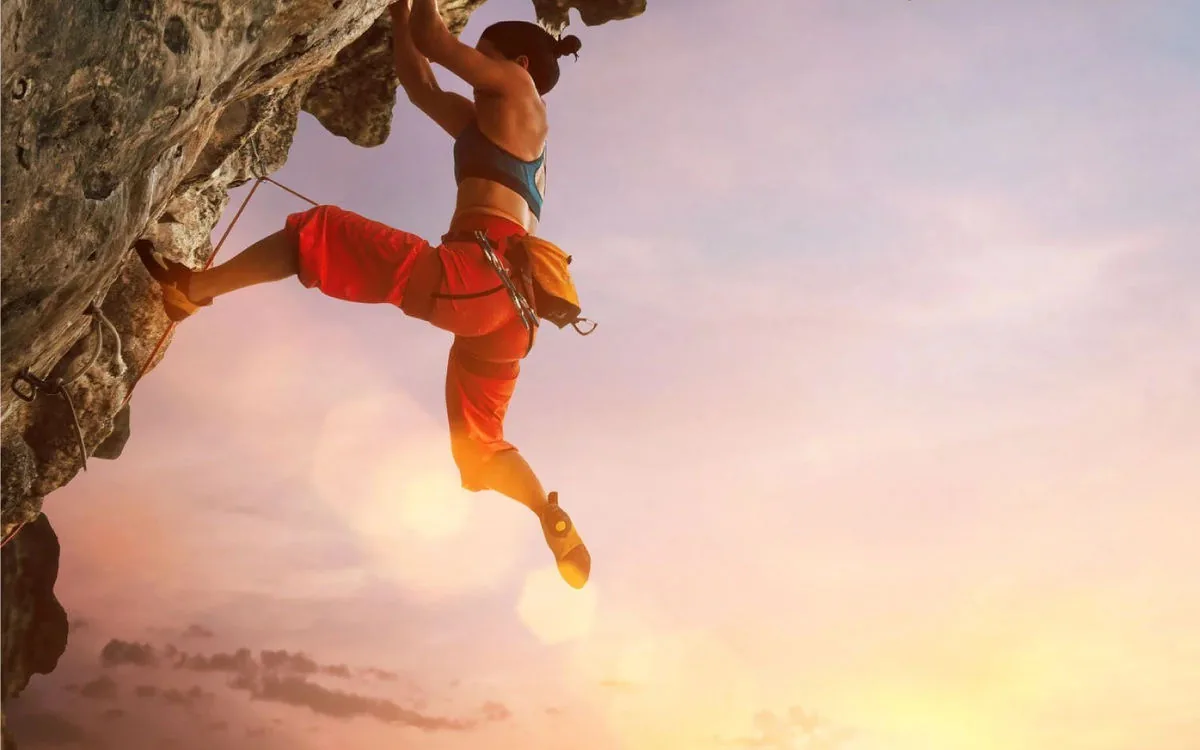
Rock climbing challenges strength, flexibility, coordination, balance and endurance. Whether you’re bouldering indoors, climbing at a gym or enjoying outdoor routes, climbing places unique demands on your fingers, hands, shoulders and the rest of your body.
At Forest Hill Chiropractic and Massage Clinic in Toronto, we help patients manage musculoskeletal injuries and discomfort associated with climbing and other physical activities.
Book an Appointment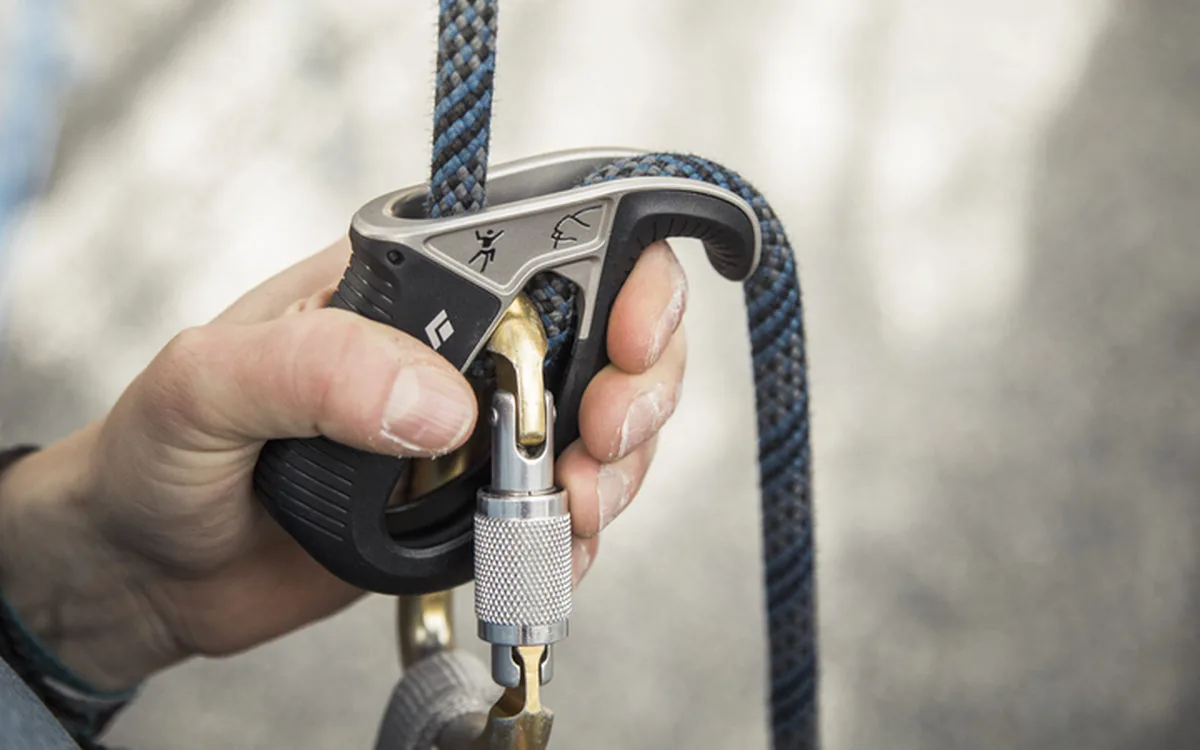
The Physical Demands of Rock Climbing
Rock climbing involves repeated gripping, pulling, reaching, twisting and balancing. The hands and forearms work hard to maintain grip, while the shoulders, back, core and legs help control body position.
Climbers may experience injuries from repetitive loading, sudden movements, difficult holds, fatigue or falls.
Common contributing factors include rapid increases in climbing intensity, repetitive gripping, small holds and crimp positions, insufficient recovery, muscle fatigue and unexpected falls.
Understanding how symptoms developed, your climbing experience and the demands of your usual routes can help guide appropriate care.
Common Rock Climbing Injuries
Climbing injuries frequently involve the fingers and upper limbs, although the shoulders, back, knees and ankles can also be affected.
Finger Pulley Injuries
The finger pulleys help keep the flexor tendons close to the bones. High-force gripping, particularly in crimp positions, can cause pulley strains or ruptures.
Finger Tendon Problems
Repeated gripping and loading can contribute to irritation involving the finger flexor tendons and surrounding tissues.
Elbow Pain
Repetitive pulling and gripping may contribute to medial or lateral elbow tendinopathy, often described as golfer’s elbow or tennis elbow.
Shoulder Injuries
Overhead reaching, dynamic movements and sudden loading can contribute to rotator cuff irritation, shoulder instability or other shoulder injuries.
Wrist Strains
Awkward gripping positions, repetitive loading and falls can cause wrist pain, ligament sprains or other wrist injuries.
Neck & Upper Back Pain
Sustained reaching, pulling and muscular fatigue may contribute to discomfort involving the neck, upper back and shoulders.
Knee Injuries
High steps, twisting movements, heel hooks and awkward landings can place significant forces through the knees.
Ankle & Foot Injuries
Falls while bouldering or unexpected landings can cause ankle sprains, fractures and other lower-limb injuries.
Important: A sudden pop in a finger, significant swelling, deformity, inability to grip, severe pain or an injury following a fall may require prompt medical assessment. Suspected fractures, tendon ruptures, dislocations, head injuries or spinal injuries should not be managed with routine chiropractic treatment.
How Chiropractic Care May Help
Chiropractic care may help manage certain musculoskeletal complaints associated with rock climbing, particularly those involving muscles, joints and soft tissues.
Assessment begins with a review of your symptoms, injury history, climbing activities, movement limitations and recovery goals.
Depending on the findings, care may include joint mobilization, soft tissue therapy, Active Release Technique (ART), Graston Technique, therapeutic exercise, progressive rehabilitation and activity modification advice.
Finger pulley ruptures, significant tendon injuries and other serious conditions may require imaging, medical evaluation or referral to an appropriate specialist or hand therapist.
Reducing the Risk of Climbing Injuries
Not every climbing injury can be prevented, but appropriate training habits can help manage physical demands.
Warm up gradually. Begin with easier climbing and lower-intensity gripping before progressing to difficult routes.
Progress your training. Increase climbing volume, intensity and finger loading gradually rather than making sudden jumps.
Develop whole-body strength. Strong shoulders, back, core and legs help support controlled movement.
Manage grip demands. Varying holds and avoiding excessive high-intensity crimping may help manage finger loading.
Allow adequate recovery. Rest between demanding sessions and pay attention to persistent finger, elbow or shoulder pain.
Practise safe climbing habits. Use appropriate equipment, learn correct belaying and spotting techniques, and develop controlled falling and landing skills.
Returning to climbing after an injury should be gradual and based on the specific diagnosis and recovery progress.
Strong Hands. Strong Body. Better Movement.
Rock climbing combines physical strength with technique, problem-solving and body awareness.
Looking after your fingers, shoulders and overall musculoskeletal health is an important part of enjoying the sport over the long term.
Whether you’re working on your first indoor routes or tackling more challenging climbs, appropriate recovery and gradual training progression can help you keep doing what you enjoy.

Dr. John Super, DC
Chiropractor. Active Lifestyle Enthusiast.
Dr. John Super has been practicing chiropractic in Toronto since graduating from the Canadian Memorial Chiropractic College in 2001.
John enjoys working with active patients and understands the importance of strength, mobility and recovery for people participating in physically demanding activities.
His approach focuses on understanding the individual, assessing their musculoskeletal concerns and developing an appropriate treatment plan based on their goals.
Learn more about Dr. John Super
Book an AppointmentReady to Get Back on the Wall?
Experiencing finger, elbow, shoulder or other climbing-related musculoskeletal discomfort? Our team can help assess your symptoms and discuss appropriate treatment and recovery options.
Book an Appointment